From Figma to HTML: Building the Landing Page
This post documents the process of turning a Figma landing page design into a real HTML/CSS implementation.
The goal was not just to replicate the visual design, but to translate the structure, hierarchy, and interactions defined in Figma into a clean and functional web page.
Design defines intent; code defines how that intent works in practice.
This post focuses on execution.
The strategic and marketing reasoning behind the landing page is explained separately in a dedicated case study.
Landing Page Design in Figma (Desktop)
The desktop version of the landing page was designed in Figma with a focus on clarity and structure rather than visual excess.
At this stage, I worked on:
Clear section hierarchy
Consistent button styles
Simple interactions and transitions
Layouts designed with implementation in mind
The design choices were intentionally practical, making the transition from design to code more direct and predictable.
Responsive Design: Mobile Version
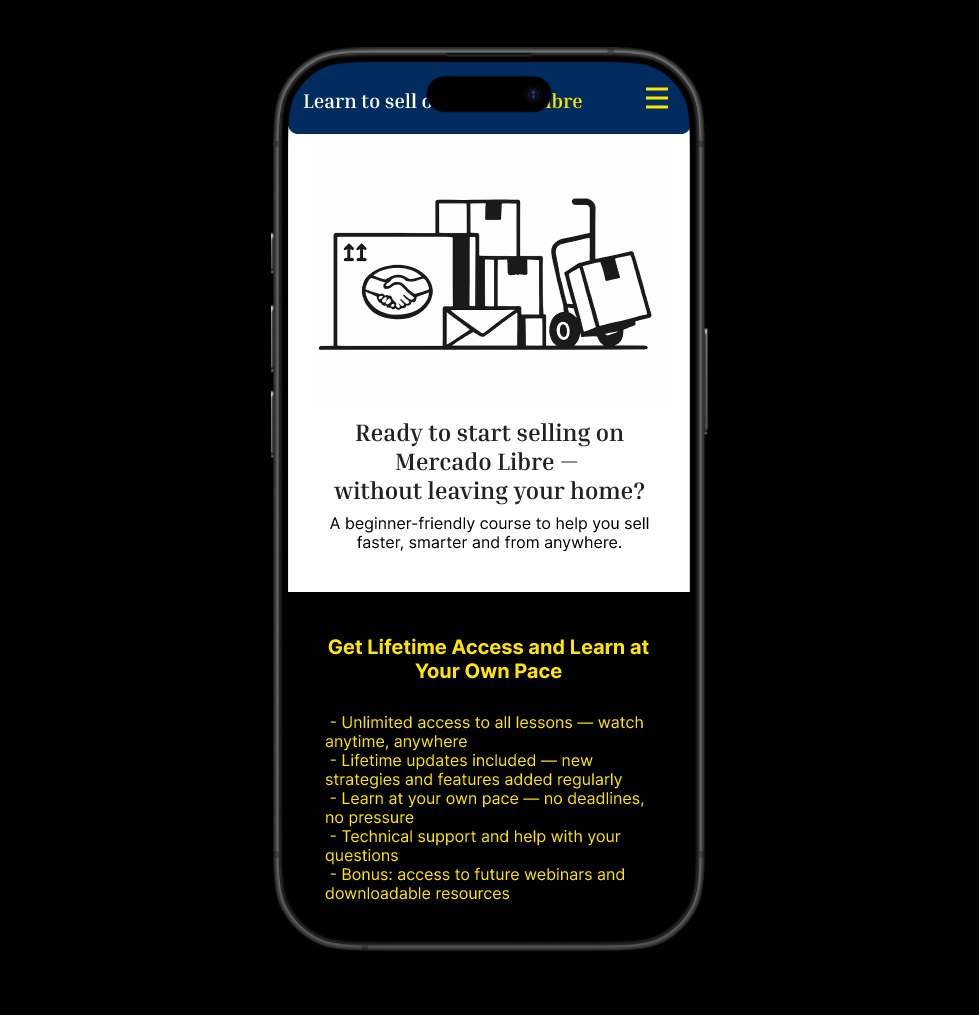
The landing page was also designed for mobile directly in Figma, treating responsive behavior as a baseline requirement rather than an extra feature.
For the mobile layout, the focus was on:
Readability on small screens
Clear visual flow from top to bottom
Accessible call-to-action placement
Designing the mobile version early helped avoid layout issues during development and ensured consistency across devices.
From Design to Code: HTML & CSS Implementation
After finalizing the design in Figma, I translated the landing page into HTML and CSS.
During implementation, I focused on:
Semantic HTML structure
Organized and readable CSS
A structured class naming approach inspired by BEM
Maintaining consistency with the original design intent
The objective was to build a clean and maintainable layout rather than over-engineering the solution.
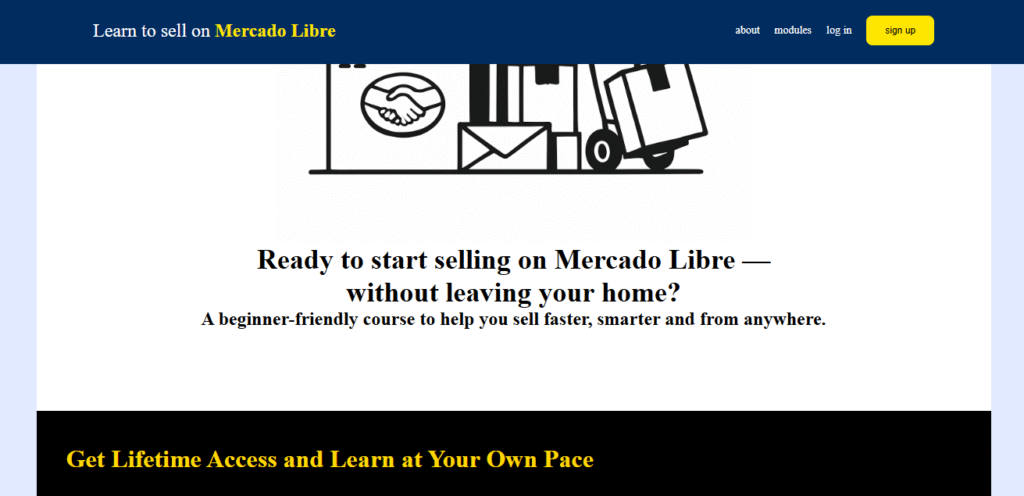
Below is the implemented version of the landing page built with HTML and CSS.
👉 View the live HTML version of the landing page
The design closely follows the original Figma layout, ensuring visual consistency while functioning as a real, usable web page.